




Nowadays, packaging is used massively in both developed and developing countries. It is so embedded in our daily life that functioning without it would be impossible. It serves many functions: protective, transport, informational, and marketing. However, it is also a source of many environmental threats: growing piles of waste packaging, polluted forests, seas, lakes, and ubiquitous plastic litter. Moreover, excessive use of natural resources and CO2 emissions are significant concerns.
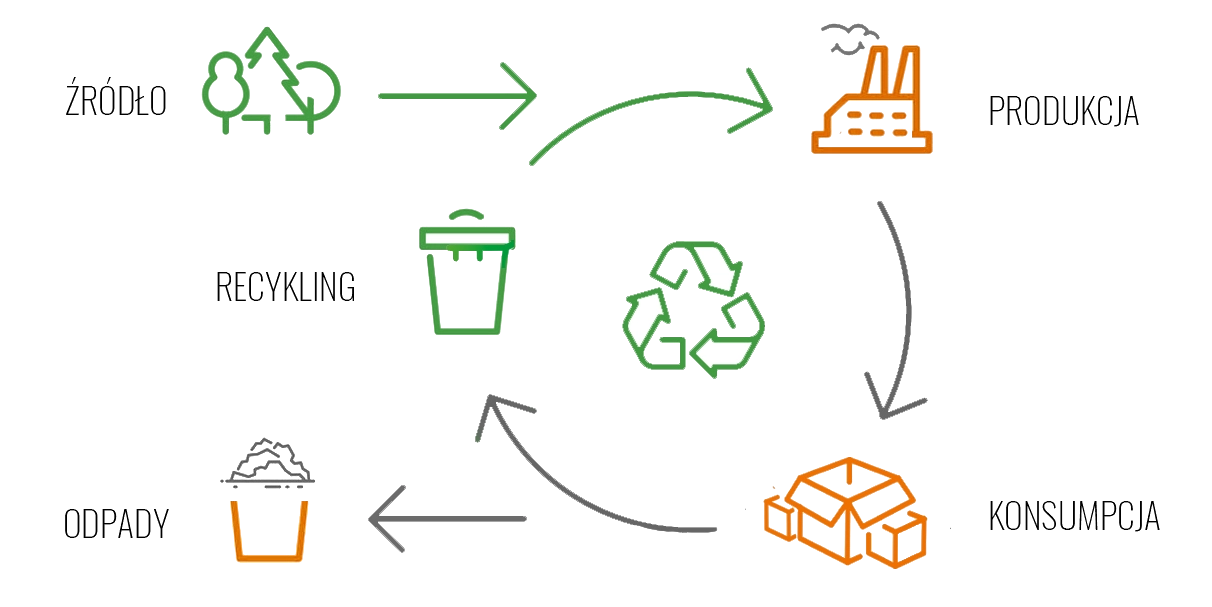
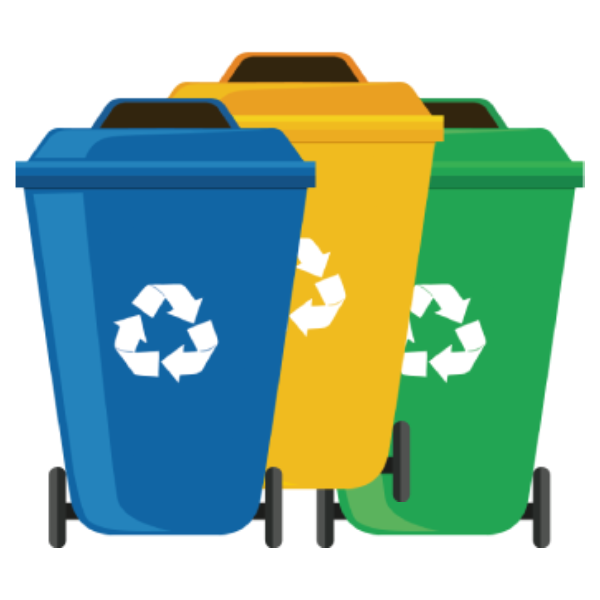
Each year, we produce more waste. According to GUS, the average Pole produces 315 kg of waste annually. Compared to EU countries, we rank 14th. According to the World Bank, by 2050, the global population will generate 3.4 billion tons of solid waste annually. One way to reduce this is recycling. Materials like paper, glass, wood, plastic, and metals can be reused. Some materials, such as paper, can be recycled multiple times.
Paper and cardboard packaging are closest to the concept of environmentally friendly packaging. They are made of materials that are:
- natural
- renewable
- recyclable
Packaging production uses cellulose and recycled papers. Using secondary fibers allows valuable raw materials to be reused, reduces deforestation (one ton of recycled paper yields as much paper as 17 trees), and saves water, electricity, and reduces CO2 emissions. In the paper industry, every fiber matters — both primary and secondary. This is a perfect example of a circular economy.